

Therapy for Older Adults
You've spent a lifetime showing up for everything. When does someone show up for you? You have worked, provided, managed, and handled things. You have been the person other people counted on. You have moved through decades of life — building things, losing things, surviving things — and you did most of it without asking for much help, because that's how it was done.
And now, somewhere in the later chapters of your life, something feels different. Not wrong, exactly. Just quieter. Heavier. Like the world has kept moving and you're not sure where you fit in it anymore.
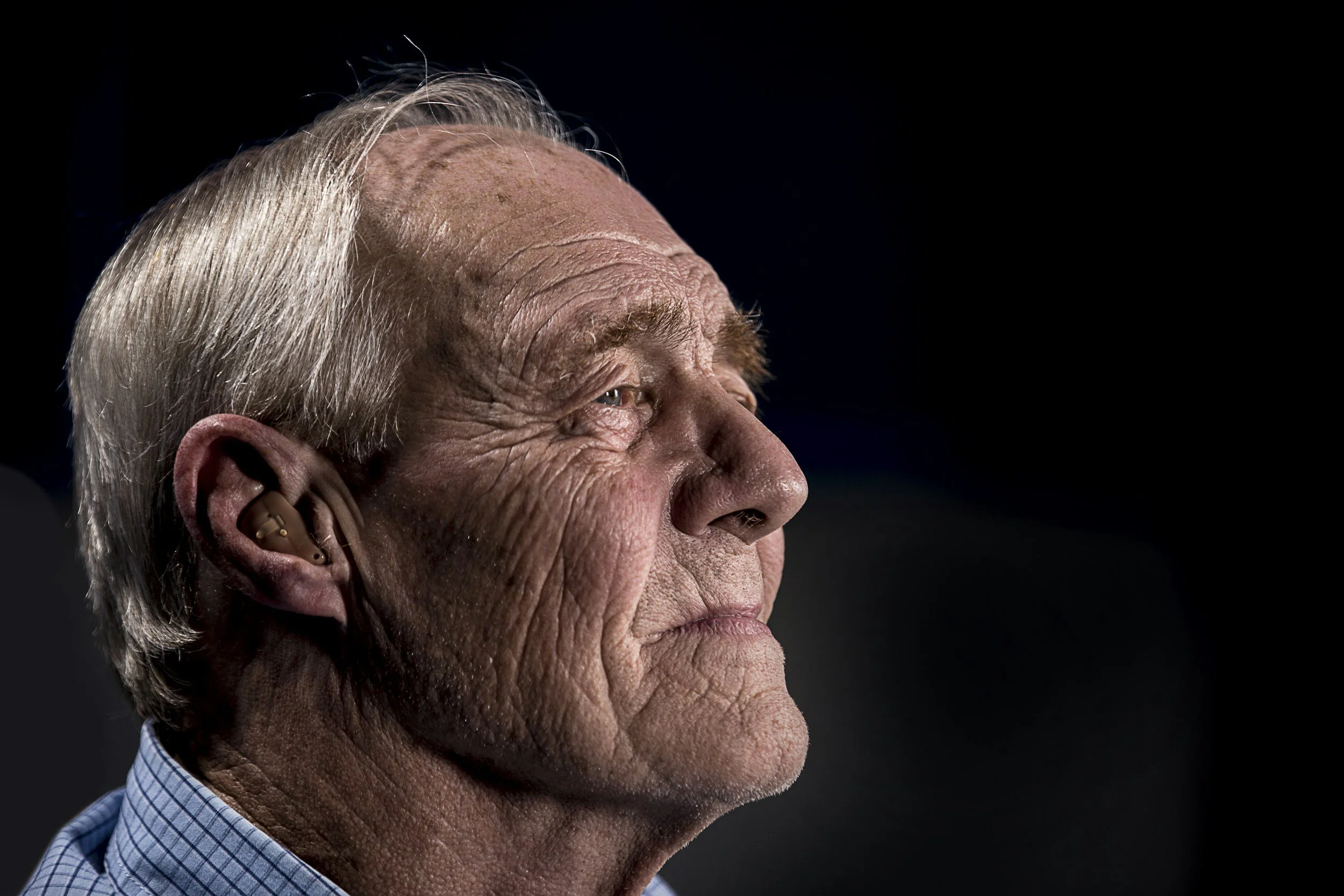
Do you find yourself spending more time alone than you'd like — not because you want solitude, but because the connections that used to anchor your days have thinned out or disappeared?
Has your sense of purpose shifted in ways you weren't prepared for — retirement, an empty house, a body that doesn't work the way it used to — and are you struggling to find what comes next?
Do you feel like the people around you don't fully see you anymore, or assume they know who you are based on who you were?
Are there things you've carried for most of your life — old grief, old wounds, things you never had a place to say — that are finding their way to the surface now?
Is there a version of yourself, underneath everything you've built and everything you've lost, that you'd like to find your way back to?
Later life brings its own kind of weight. It also brings its own kind of possibility. This is a space for both.
Begin Your Confidential Consultation
You can book a free consultation with me using the button below. If you have any questions, you can call me directly or fill out the form to the right.
The Emotional Reality of Aging Is Rarely Talked About Honestly
Florida is home to one of the largest populations of older adults in the country — and yet the mental health needs of seniors, particularly older men, remain significantly underserved. The reasons are familiar: a generation raised to manage independently, a cultural framework that equates stoicism with strength, and a mental health system that has historically been better at treating crisis than attending to the quieter, accumulated weight of a long life.
The Loneliness That No One Names
Loneliness among older adults is one of the most significant public health concerns of our time, and one of the least openly discussed. It is not simply the absence of people — it is the experience of being surrounded by the world while feeling fundamentally unseen by it. For many older men, this loneliness arrives quietly: after retirement removes the structure and identity that work provided, after friends and peers begin to disappear, after the body begins to change in ways that feel like a slow estrangement from the self you've known.
Research consistently shows that 10.5% of seniors in Florida experienced poor mental health for at least two weeks in the past month — and that figure almost certainly undercounts what people are actually carrying, because older adults, and older men in particular, are among the least likely to report or seek help for emotional distress.
The Body Changes — and So Does the Story You Tell About Yourself
Aging changes the body. That is not a surprise. What surprises many men is how much of their identity was tied to physical capacity, appearance, and vitality — and how disorienting it is when those things begin to shift. Strength that was once a given. A body that looked a certain way. A sexuality that was part of how you understood yourself. When these things change, the loss can be real and significant, and it rarely gets the acknowledgment it deserves.
The Invisible Life
There is a particular experience that many older adults describe — the sense of becoming invisible. Of walking through a world that has moved on and no longer quite registers your presence. Of having a rich interior life, a full history, decades of experience, and feeling like none of it is legible to the people around you. That experience — of invisibility, of irrelevance, of being reduced to a category — is one of the quieter indignities of aging, and it belongs in the therapy room.
Therapy for Older Adults at Polari Psychotherapy
A Space That Takes Your Life Seriously
What We Work On Together
Therapy for older adults at Polari Psychotherapy is individualized to the person in front of me. There is no fixed curriculum and no assumptions about what later life should look like for you. Common areas of focus include:
Loneliness and isolation — the thinning of connection over time, the loss of community and structure, and the particular silence that can settle over a life when the people and roles that defined it begin to disappear
Identity after transition — retirement, an empty nest, the end of a long relationship, a major health change — and the question of who you are when the roles that organized your life no longer apply
Feeling invisible — the experience of moving through a world that no longer seems to register you, and the grief and anger that can accompany that
The body and aging — changes in physical capacity, appearance, energy, and sexuality, and the complicated relationship between your sense of self and the body you're living in
Old wounds finding new air — the experiences, losses, and unfinished things from earlier in life that tend to surface in later years, sometimes for the first time
Grief and loss — the accumulated losses of a long life, including losses that were never given their proper weight at the time
End-of-life questions — mortality, legacy, meaning, and what you want the remaining time to hold, approached with honesty rather than avoidance
Depression and anxiety in later life — including the kind that has been present for years and the kind that has arrived more recently, both of which deserve real attention rather than being attributed simply to age
Masculinity and its long shadow — what it meant to be a man over the course of your life, what that cost you, and what becomes possible when you have a space to examine it
At Polari Psychotherapy, I work with older adults who are navigating the full complexity of later life — not as a clinical category, but as people with histories, with interior lives, with things they've never said and things they'd like to understand better before the time runs out. This is not a practice that manages seniors. It is a practice that takes them seriously.
My approach is rooted in psychodynamic therapy — depth-oriented, relational, and focused on what's underneath the surface. For older adults, this often means sitting with a life's worth of accumulated experience and finding, sometimes for the first time, a place where it can be examined with care and without judgment.
-
That's a reasonable place to be, and it's more common than you might think among men of your generation. Therapy is not about weakness or dysfunction — it is a conversation about your life, with someone who is genuinely interested in understanding it. If you've never had that kind of space before, that itself is worth something.
-
That is enough. You don't need a diagnosis or a crisis to have a reason to be here. Feeling off — disconnected, purposeless, heavier than you want to be — is a real experience that deserves real attention. We start wherever you are.
-
Yes. I offer virtual therapy throughout Florida, which means you can do this work from wherever you are most comfortable. For clients in Broward County, in-person sessions are also available.
You May Still Have Questions
Schedule Your FREE Consultation
It’s not too late to be seen. If you are an older adult who has been carrying something quietly — loneliness, loss, old questions, the strange weight of later life — I'd like to offer a space where that can be brought into the open.
No pressure. No commitment. No card required. Just a real conversation about whether this feels like the right fit.