

Grief & Loss Therapy for LGBTQ+ Adults in Fort Lauderdale & Florida
Some losses don't get acknowledged — and that makes them harder to carry. There's a particular kind of grief that doesn't get named. Not because the loss wasn't real, but because the people around you didn't recognize it as one. Maybe you lost a partner or a close friend and the people in your life didn't understand what that relationship meant. Maybe you lost someone to the AIDS crisis — an entire network of people, a whole era of your life — and found that the world had largely moved on before you were done grieving. Maybe you lost a version of yourself: the one you were before you came out, or the one you thought you'd be once you did.

Have you experienced a recent or previous loss that has been repressed and pushed down to get through the days?
Have you found that the people around you don't fully understand what you've lost — or why it still matters?
Are you grieving a person, a relationship, a community, or a version of yourself that others don't recognize as something worth mourning?
Does grief come and go in waves that feel out of proportion to what others think you should still be feeling?
Have you tried to process loss in the past and found that it stayed — untouched, underneath everything else?
Grief that isn't witnessed tends to get carried silently. It shapes how you relate, what you expect, how much of yourself you're willing to risk in relationships again. The absence of acknowledgment doesn't make the loss smaller. It often makes it harder.
Begin Your Confidential Consultation
You can book a free consultation with me using the button below. If you have any questions, you can call me directly or fill out the form to the right.
Disenfranchised grief is real — and it's common in LGBTQ+ experience
Disenfranchised grief is the term for loss that isn't socially acknowledged — grief that doesn't get the rituals, the recognition, or the permission to be fully expressed. For LGBTQ+ adults, this shows up in specific and well-documented ways.
Losses the world doesn't always recognize
The loss of a same-sex partner when family of origin was not affirming. The death of chosen family members to the AIDS crisis — a loss so widespread it reshaped entire communities — in an era when grief resources were scarce and stigma was constant. The loss that comes with late coming out: relationships, marriages, years spent living as someone else. The ongoing grief of estrangement from family of origin who couldn't accept who you are.
None of these are abstract. They are among the most common things LGBTQ+ clients carry into therapy, often for years, often without language for them.
When grief doesn't resolve on its own
Grief is not a linear process, and it doesn't follow a timeline. Complicated grief — grief that remains intensely disruptive long after a loss, that interferes with daily functioning, that hasn't moved even when time has passed — is more common than most people realize. For LGBTQ+ adults who experienced losses during the AIDS crisis, or who have accumulated multiple losses across decades of community, complicated grief is not unusual. It is a reasonable response to what was lost.
Therapy offers what time alone often doesn't: a structured space to bring the loss fully into language, to understand what it meant and what it has cost, and to grieve without having to protect others from the weight of it.
Grief Therapy for LGBTQ+ Adults at Polari Psychotherapy
A Space That Takes Your Life Seriously
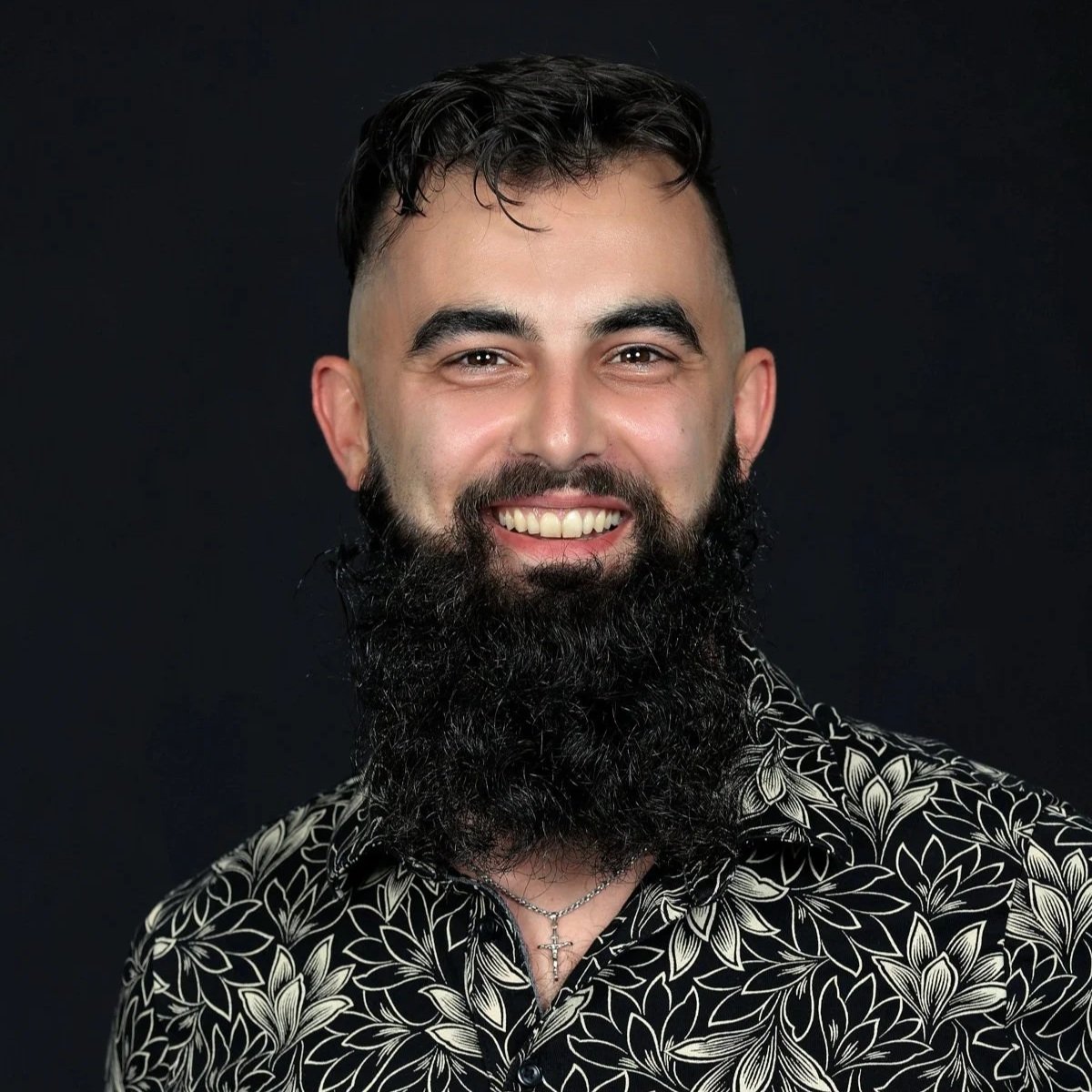
I am a Licensed Mental Health Counselor in Florida with specific training and clinical experience working with LGBTQ+ populations, including the particular grief experiences that are most common in this community. I have worked with clients who lost partners and entire friend groups to the AIDS crisis. I have worked with older adults navigating the grief of late coming out — the relationships, the years, the version of themselves they never got to be. I have worked with clients who are estranged from family of origin and are grieving what that relationship was and what it never became.
What We Work On Together
In our sessions, we might explore:
The loss itself — what happened, what it meant, what has never been said out loud
Disenfranchised grief — losses that weren't acknowledged, and what that absence has cost
Complicated or prolonged grief — loss that has stayed present in ways that are disrupting your functioning or your relationships
Accumulated loss — multiple losses across time, including losses tied to the AIDS crisis, to estrangement, or to the experience of living as an LGBTQ+ person in a world that has not always been safe
Identity grief — mourning the version of yourself you didn't get to be, or the life that wasn't possible, or the coming out that happened later than it should have
I work from a psychodynamic and trauma-informed framework. Grief and trauma are often intertwined — especially in LGBTQ+ experience where losses were frequently accompanied by discrimination, stigma, or the absence of support. Understanding that connection is often part of what allows grief to move. I see clients in person in Fort Lauderdale and via telehealth throughout Florida — including clients in areas where finding a therapist who understands LGBTQ+ grief specifically is not a realistic option locally.
I work with LGBTQ+ adults in Fort Lauderdale and throughout Florida who are navigating grief that has been minimized, delayed, or never fully witnessed. My approach is depth-oriented and relational — which means we're not working through a checklist of stages, and I'm not going to tell you what grief should look like or when it should be done. What I'm interested in is understanding what you lost, what it meant, and what it's been like to carry it without the kind of acknowledgment loss is supposed to receive.
You May Still Have Questions
-
Grief doesn't have an expiration date, and the fact that it has stayed with you this long doesn't mean it's beyond reach. In many cases, grief that has been held for years or decades is grief that never had the right conditions to move — not grief that can't move. That's a meaningful difference.
-
That's one of the clearest signs that the grief has been disenfranchised — not acknowledged by the people around you in ways that match its actual size. Therapy offers something different: a space where you don't have to calibrate how much of this you're allowed to bring. You can bring all of it.
-
Grief-related care is typically covered through mental health benefits when a diagnosis such as complicated grief or adjustment disorder is documented. I accept Aetna, Cigna/Evernorth, Carelon, and Quest through Headway. Private pay is $150 per session with sliding scale available. I'm happy to answer specific questions about coverage on your free 15-minute consultation call.
You don't have to carry this alone.
If you're in Fort Lauderdale, Broward County, or anywhere else in Florida, I'd welcome the chance to talk. I offer a free 15-minute consultation for anyone considering working together — no pressure, no commitment required. In-person and telehealth available. Insurance accepted through Headway. Sliding scale available.